How Link-Based AI Bra Design Generators Are Changing Lingerie Creativity
1. Introduction to AI Bra Design Generators
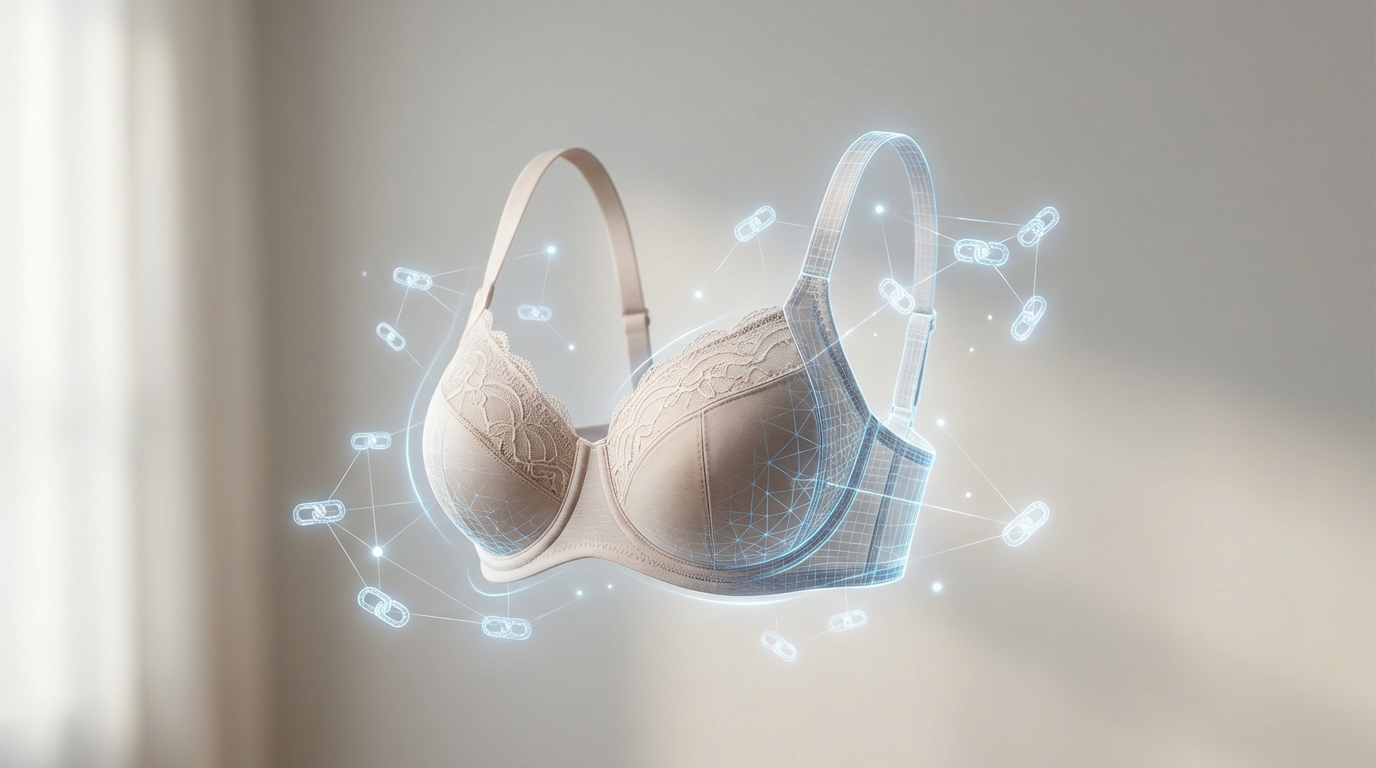
An AI bra design generator is a cutting-edge tool that leverages artificial intelligence to create lingerie designs tailored to diverse body types and personal styles. By analyzing various factors like fabric structure, pose, and lighting, these generators can produce unique bra concepts that go well beyond traditional design limitations. They help designers and consumers alike explore fresh, innovative lingerie ideas with ease.
One major benefit of using AI for underwear design is the ability to enhance creativity while promoting inclusivity. AI can swiftly generate a wide range of styles and fits, catering to different shapes and preferences, making lingerie more accessible and personalized than ever before. Plus, it speeds up the design process, allowing for rapid prototyping and adjustments without the need for extensive manual drafting.
Popular AI bra design tools, such as the ones offered at There's an AI For That, provide free, no-signup access to generate diverse and inclusive bra concepts. Other platforms like Clipfly’s AI Lingerie Generator create precise virtual try-ons by capturing pose and fabric details, giving users a realistic preview of the designs. These AI-powered solutions are transforming how lingerie is conceptualized, making the process more innovative, efficient, and inclusive.
2. How the Underwear Bra Design Generator Works
Using the Underwear Bra Design Generator is a breeze with its intuitive, user-friendly interface. Here’s a simple step-by-step guide to get you started:
- Start with a Base Model: When you launch the generator, you first pick a basic bra style as your canvas. Options include common types like balconette, push-up, and bralette.
- Customize Fabric and Color: Next, select from a variety of fabric textures—lace, cotton, satin—and choose your preferred colors or patterns. This feature helps you tailor the design to your personal taste or brand aesthetic.
- Adjust Features and Fit: The generator lets you tweak details such as strap width, cup shape, underwire style, and back closure type. These controls enable precise customization for comfort and style.
- Add Embellishments: Want a little extra flair? You can add decorative elements like bows, embroidery, or mesh panels, enhancing both the look and uniqueness of your design.
- Preview and Edit: The interface provides a real-time 3D preview of your bra design, so you can see changes instantly and make adjustments easily.
- Link-Based Workflow: Once satisfied, the generator creates a shareable link for your design. This makes it simple to save your project, collaborate with others, or access your designs from anywhere, streamlining the creative process.
This link-based approach, combined with a variety of style choices and customization options, empowers both beginners and experienced designers to create unique bras effortlessly. The tool’s emphasis on ease-of-use and flexibility makes it a go-to for anyone interested in lingerie design.
For more on creative AI design tools, check out our guide on AI-Powered Fashion Design Tools.
3. Advantages of Link-Based Design Workflows
Link-based design workflows bring a slew of advantages that truly boost creativity and efficiency across teams. First off, collaboration gets a huge upgrade. When designs and data are linked, everyone—from designers to stakeholders—can access the latest files and updates without digging through endless emails or folders. This streamlines teamwork and helps avoid mix-ups. It’s easier for teams to brainstorm, iterate, and build on each other's work in real time, turning good ideas into great ones faster.
Real-time updates are another game changer. As soon as someone tweaks a design, everyone else sees the new version instantly. This means version control headaches become a thing of the past since there’s a single, always-current source of truth. No more wasted time tracking down which file is the newest or manually merging different versions. Plus, this transparency makes giving and receiving feedback much smoother—comments and suggestions can be shared directly on the linked designs, speeding up review cycles and improving final results.
Finally, sharing becomes effortless. Linked workflows make it simple to distribute work with team members or clients with a click. People don’t need special software or complicated downloads; they just view or interact with the live link. This encourages more frequent, iterative feedback loops, which are essential for refining creative projects continuously. Overall, linking designs and data creates an environment where inventive ideas thrive alongside tight organization, helping teams deliver standout work efficiently and collaboratively.
Source: UXPin on Real-Time Design Collaboration
4. Designing for Different Body Types with AI
Inclusivity in lingerie is more than just a trend—it's a necessity. Every body is unique, and bras need to reflect that diversity to provide comfort, support, and confidence. AI is playing a game-changing role in making this happen by designing bras that cater to a wide range of body shapes and sizes.
One of the coolest things AI brings to the table is personalization. Using AI-powered 3D body scanning, designers get precise digital models of various body types, which means bras can be tailored for perfect fit and style for each individual. The customization goes beyond measurements, incorporating style preferences and even adaptive designs that adjust throughout the day for ultimate comfort.
Take ASIM’s generative AI bras, for example. They create custom-fit bras that accommodate unique body shapes, ensuring no one has to settle for one-size-fits-all. Similarly, some brands use AI to speed up the development process dramatically, grading designs across a vast size range within hours and virtually prototyping styles to perfect fit before any fabric is cut. This blend of speed and precision eliminates costly mistakes while championing inclusivity.
The future of lingerie is smart, stylish, and designed for every body, proving AI isn't just about technology—it's about helping people feel great in their skin and their bras.
For more on how AI is transforming fashion and lingerie, check out Can AI design new lingerie garments? and learn about ASIM’s AI custom-fit bras at Joanna Veleris’ site.
Source: Tutti Rouge | Source: Joanna Veleris
5. Incorporating Style and Trend Insights
Incorporating AI into bra design opens exciting possibilities for blending style with the latest trends effortlessly. By integrating AI-driven fashion trend data, designers can tap into what’s hot on runways and social media in real-time, ensuring each bra design reflects current consumer interests and market demands. Platforms like T-Fashion harness AI to analyze runway collections and social momentum, enabling fashion creators to generate fresh, on-trend concepts quickly.
Popular bra styles AI can create range from sleek, minimalist silhouettes to intricate lace patterns or sporty designs tailored for active lifestyles. AI's pattern and texture generation capabilities allow for rapid prototyping of versatile styles—whether it's seamless everyday bras, supportive sports bras, or ornate pieces for special occasions.
Customization also becomes more intuitive with AI. Designs can be adjusted based on individual preferences, body types, or specific events, making it easy to offer personalized bras that match different moods—be it a casual day out, a workout session, or a romantic evening. By blending data-driven insights with creativity, AI streamlines the process of staying stylish and relevant in the lingerie market.
For more on how AI is transforming fashion design, check out our article on AI fashion trends shaping 2026.
Source: T-Fashion AI Trend Forecasting | Source: Printful
6. Materials and Textures in AI Designs
One of the coolest things about AI lingerie design is how it simulates fabrics and textures to create realistic previews. Common materials like lace, silk, cotton, and mesh are all digitally represented with high fidelity by AI, capturing their unique looks and drapes. This means you get a true-to-life sense of how a lingerie piece will feel and flow without needing a physical sample.
When choosing textures in AI generators, you can often select from a range of fabric types and finishes. The AI then interprets these choices in the visuals, adjusting for lighting, folds, and even subtle stitching details. This lets designers play with different material combinations and see instant results.
There’s a trade-off sometimes between visual realism and design flexibility. Hyper-realistic textures can make designs pop and build trust with customers, but overly complex details might limit how much you can tweak a design’s shape or color. Finding that sweet spot helps you leverage AI’s strengths to create beautiful, versatile lingerie previews that inspire confidence.
Source: GoEnhance AI | Source: Kiira AI
7. Sustainability in AI Lingerie Design
AI is proving to be a powerful ally in pushing sustainability forward in lingerie design. It can suggest eco-friendly materials that reduce environmental impact by analyzing fabric data and identifying options with lower carbon footprints and better recyclability. This not only helps designers choose greener textiles but also supports brands in adopting more responsible sourcing practices.
Another major sustainability win comes from AI-enabled virtual prototyping. Instead of creating countless physical samples — which generate waste and consume resources — designers can test garment fits and styles digitally. This drastically cuts down fabric waste and speeds up production timelines, ensuring that only the finalized designs go into physical production.
Finally, AI helps increase consumer awareness around sustainability by providing insight into the lifecycle impact of lingerie products. From material choices to manufacturing processes, brands can share transparent data that empowers customers to make conscientious purchase decisions. AI-driven personalization also reduces return rates, further minimizing waste in the supply chain.
Together, these AI-powered innovations make lingerie design smarter, more eco-friendly, and aligned with the growing demand for sustainable fashion solutions.
Source: The Lingerie Post | Source: Tutti Rouge
8. From Design to Production: AI's Role
Once the digital bra design is perfected, AI plays a crucial part in transitioning from concept to manufacturing. First up is exporting patterns and specifications. Advanced AI tools, like those pioneered by fashionINSTA, generate production-ready patterns directly from design sketches. These patterns come with precise measurements and cutting instructions that manufacturers can immediately use, streamlining what used to be a manual and error-prone step.
Collaboration with manufacturers is also enhanced by AI platforms that facilitate seamless sharing of these digital assets while allowing real-time adjustments based on manufacturer feedback. This connectivity shortens lead times and ensures that the final product matches the designer’s vision without multiple back-and-forths.
In production, AI-driven quality control systems inspect bras with high precision, detecting defects such as stitching errors or material inconsistencies much faster than traditional human inspection. This not only maintains consistent quality but also reduces waste and costs, making the entire manufacturing process more efficient and reliable.
From exporting smart, exact patterns to partnering closely with manufacturers and ensuring top-notch quality, AI empowers the journey from bra design to the final product on the shelves.
9. Customization and Personalization Features
One of the coolest things about modern design tools is how easily you can tailor your creation to fit your unique style and needs. Whether it's tweaking colors, resizing elements, or adding embellishments, these options put the power right in your hands. Want your design in a bold red or a soft pastel? No problem. Need to make something bigger for better visibility or sprinkle some accents to jazz it up? The flexibility is all there.
But it doesn't stop at looks. Many tools now offer adaptive design features aimed at special needs, ensuring accessibility and usability for everyone. From adjustable font sizes to contrasting colors for better readability, these tweaks make your design inclusive without sacrificing style.
For the best experience, keep in mind a few user interface tips: take advantage of preview modes to see your changes in action, use guides and grids for precise alignment, and don’t hesitate to experiment with different settings until you nail your perfect look. This blend of customization and personalization not only helps your designs stand out but also makes the process feel enjoyable and totally your own.
Explore more about how to make the most of design tools in our full guide on customization and personalization [Source: Nielsen Norman Group].
10. Challenges and Limitations of AI Bra Design
While AI has brought exciting innovations to bra design, it’s not without its hurdles. One major challenge lies in balancing design creativity with the constraints of AI algorithms. AI tends to excel at pattern recognition and optimization but may struggle with the nuanced, subjective aspects of fashion design that require a human touch and creative intuition. This can limit the uniqueness and emotional appeal of AI-designed bras.
Fit accuracy is another tough nut to crack. AI algorithms depend heavily on the quality and diversity of data, but current datasets may not fully capture the wide variety of body shapes and individual preferences. This sometimes results in fit inconsistencies or discomfort, especially when users order from different brands or styles that each fit differently. Improving data diversity and incorporating 3D body scanning may enhance this but hasn’t yet solved the problem completely.
Finally, even the smartest AI systems need good user input to perform well. Accurate measurements, clear preference inputs, and honest feedback from users are crucial for AI to generate better-fitting, more comfortable designs. Without this, AI’s suggestions can feel generic or off-mark.
Overall, while AI can accelerate and personalize bra design, understanding and compensating for these challenges is key to making the technology work well for everyone.
Source: UMU | Source: Fibre2Fashion | Source: University of Huddersfield
11. Integrating AI Bra Design with Fashion Tech
Integrating AI bra design with cutting-edge fashion technology creates a seamless digital workflow that enhances every step from design to sale. AI tools enable highly personalized bra designs, but when combined with virtual fitting rooms, shoppers get to experience an interactive try-on session from anywhere. These virtual fitting rooms leverage augmented reality (AR), artificial intelligence, and 3D modeling to simulate how bras will look and fit on a customer's body, eliminating guesswork and reducing returns. This immersive experience also helps customers feel confident about their purchases by visualizing perfect fits in real time.
Augmented reality previews go beyond fitting rooms, allowing customers to mix and match styles and colors in a virtual space before buying. Retailers can overlay designs onto digital avatars or real-time video feeds to showcase how bras will pair with other garments or accessories, making the shopping experience engaging and highly personalized.
Finally, this streamlines directly into e-commerce platforms where AI and AR tools can be integrated through APIs or embedded apps, providing intuitive shopping journeys. This integration supports smarter merchandising with interactive product visuals, size recommendations, and storytelling that meets modern shoppers’ expectations.
Together, AI-driven bra design, virtual fitting rooms, AR previews, and e-commerce synergy transform fashion retail into a futuristic experience — convenient, immersive, and customer-centric. For retailers aiming to elevate their brand, embracing this connected fashion tech ecosystem is a game-changer.
Source: Shopify – Virtual Fitting Rooms Guide
Source: Veesual AI – Virtual Try-On and Styling
Source: DeuSens – Augmented Reality in Fashion
12. User Case Studies and Testimonials
Many hobbyists and professional designers alike have found AI design generators to be powerful allies in their creative workflows. Hobbyists often use these tools to quickly bring fun, personalized projects to life without extensive design skills, while professionals leverage AI to speed up ideation, prototyping, and even final production elements.
One inspiring success story comes from a creative agency that combined traditional design expertise with AI tools to launch a holistic brand experience in just four days — blending human insight with AI's rapid generation capabilities to meet tight deadlines effectively. Another example highlights how major brands like Unilever use AI to scale influencer assets and Nestlé employs digital twins generated by AI to cut costs and shorten timelines, proving the scalability and cost-efficiency benefits for professionals.
From these varied use cases, key lessons emerge: AI excels at automating micro-tasks such as creating icons, textures, and background removal, but human judgment remains critical for design hierarchy, emotional resonance, and ethics. Successful users also recommend using AI to structure research briefs and explore options creatively, while maintaining a hands-on approach to define final outcomes.
This blend of AI-driven speed with human refinement ensures that whether you're a hobbyist or seasoned pro, AI design generators can enhance your creative process without replacing the vital human touch.
Source: DigitalDefynd, Source: Venngage YouTube
13. Future Trends in AI Lingerie Design
AI is set to revolutionize lingerie design with several exciting innovations on the horizon:
- AI-Driven Fabric Innovation: The future will see fabrics engineered at the molecular level through AI to optimize comfort, breathability, and durability. Smart textiles embedded with sensors can monitor body temperature and moisture in real time, helping lingerie adapt to the wearer’s needs for ultimate comfort and performance.
- Enhanced Personalization with Machine Learning: Machine learning enables lingerie brands to offer custom fits and styles based on 3D body scans and user preferences. AI analyzes vast data sets to predict trends and tailor designs that suit diverse body shapes perfectly. This results in garments that fit better, feel more comfortable, and look fantastic on every customer.
- Interactive and Adaptive Lingerie: Imagine lingerie that adjusts dynamically throughout the day — providing more support after a workout or loosening up for relaxation. AI can power this adaptive design by using embedded technology to respond to the wearer’s movements and physiological changes in real time, creating a new level of comfort and functionality.
These trends highlight how AI is not just transforming lingerie design into a more personalized and interactive experience but also opening doors to sustainable, smart, and innovative lingerie solutions tailored to the modern wearer’s lifestyle.
Source: Tutti Rouge
Source: The Lingerie Post
14. Free vs Paid AI Design Tools
When diving into AI design tools, both free and paid options come with their own perks and trade-offs. Here's a quick look at how they stack up:
Feature Comparison:
Free AI design tools, like Figma AI (currently in beta) and BeFunky, often provide basic functionality—think AI-generated templates, background removal, and simple photo editing. They're perfect for beginners, student use, or small projects where you want to experiment without spending money. However, features tend to be limited, with restrictions like watermarking, reduced customization, and fewer templates available.
Paid tools, such as Canva Pro, Designs.ai, and InVideo, offer a richer suite of features. These include advanced AI-generated assets, brand kits, prioritized customer support, and capabilities across graphics, video, and audio creation. Their AI suggests layouts, fonts, and color matches to fit your brand style seamlessly. Teams and professionals appreciate collaborative and multi-user features typically locked behind premium tiers.
Pricing Models and Access:
Most free tools offer a limited number of uses per month or basic tool access. For example, some free plans provide 10 AI generations monthly and limited template access. Paid subscription plans typically range from about $5 to $30 per month depending on the tool and your need for additional usage, team functionality, or unlocked features. Enterprise-level options exist for larger teams wanting unified branding and collaboration.
Which Tool to Choose for Your Needs:
- Beginners or hobbyists experimenting with AI-powered design might stick to free tools like Figma AI beta or BeFunky, which are user-friendly and cost-free.
- Small business owners or content creators aiming for polished, brand-consistent visuals may find Canva Pro affordable and efficient.
- Designers and creative teams needing robust multi-format support, extensive templates, and premium AI-driven design assistance will benefit most from paid platforms like Designs.ai or InVideo.
- For interior design or specialized domains, tools like Decorilla merge AI design with human expertise, suitable for more professional use cases.
Ultimately, choose based on the balance between your budget, required features, and design complexity. Many paid tools offer free trials that let you test-drive premium capabilities before committing.
Source: DesignMonks - Free AI Design Tools | Source: DesignPickle - Paid AI Design Tools Features & Pricing | Source: AILogCreator - Best AI Design Tools 2024 User Recommendations
15. Getting Started: Tips for New Users
Jumping into a design generator for the first time can feel overwhelming, but a few handy tips can help you unlock its full potential quickly.
- Prepare Clear Input Ideas:
Before you start, jot down concise ideas of what you want. Are you designing a logo, poster, or social graphic? What’s the mood—modern, playful, minimalist? The more specific your input terms, the better the AI can craft tailored designs. For example, instead of "business card," try "minimalist business card with blue and white palette." - Avoid Common Pitfalls:
New users often expect perfect results on the first try. Remember, these tools are creative partners, not magic wands. If a design feels off, tweak the input details and try again. Also, avoid overly complex requests in one go; simpler steps tend to yield better results. Watch out for clutter—too many elements can confuse the design’s message. - Embrace Experimentation:
Don’t hesitate to try different styles, colors, and layouts. Play around with the options the generator offers and save multiple versions. Sometimes the best creative spark comes from unexpected tweaks. Use the tool’s suggestions and refine designs iteratively. This playful exploration accelerates learning and leads to unique results.
By approaching your first projects with clarity, patience, and curiosity, you’ll make the most of your design generator and have fun doing it!
16. Legal and Ethical Aspects of AI Design
When designing AI, legal and ethical considerations are key to navigating the complex landscape of ownership, privacy, and responsible use.
Intellectual Property in AI Creations
One hot topic is copyright for AI-generated works. In the U.S., the Copyright Office recently clarified that purely AI-generated content without human authorship isn’t eligible for copyright protection. This means designers combining AI elements with their original work can claim copyright, but fully autonomous AI creations remain a gray area legally. Different countries vary—some, like the UK and New Zealand, do recognize copyrights for AI-assisted works if human input is significant. So, blending human creativity with AI is currently the safest route to protect your designs and ideas legally.
User Data and Privacy Policies
AI designs often rely on vast amounts of user data, raising privacy concerns. Ethical AI design means adhering strictly to data privacy laws like GDPR or CCPA, ensuring users know how their data is collected, used, and protected. Transparent privacy policies and minimizing data collection to what’s truly necessary help build trust and comply with legal standards. Plus, anonymizing user data wherever possible reduces the risk of breaches or misuse, a must-have in ethical AI design.
Ethical AI Use Guidelines
Beyond legality, ethical AI design focuses on fairness, non-discrimination, and transparency. Avoiding biased training data and incorporating explainability makes AI outputs more trustworthy. Ethical guidelines encourage designers to consider the societal impact—like preventing misuse or harm—and maintain accountability for AI decisions. Staying informed about evolving AI ethics frameworks helps creators design responsibly in a fast-changing field.
Striking a balance between innovation and responsibility in AI design means safeguarding rights, respecting user privacy, and committing to ethical standards throughout the creative process.
Source: House of GAI, Source: The Interline, Source: LinkedIn
17. Enhancing Creativity with AI Collaboration
AI acts as an incredible creative partner by transforming the design process into a dynamic collaboration between human intuition and machine intelligence. When brainstorming, AI tools generate a wide variety of fresh ideas and suggestions, helping designers break out of creative ruts and explore directions they might not have considered. This unleashes a richer pool of inspiration for initial concepts.
As the design evolves, AI supports iterative improvements by analyzing designs from multiple angles—performance, aesthetics, usability—and suggesting refinements. This back-and-forth process between the human designer and AI accelerates innovation, ensuring solutions become more effective and visually compelling with each iteration.
Some inspiring examples of human-AI synergy include graphic design projects where AI-generated imagery is combined with human-crafted storytelling, product design workflows where AI proposes novel features based on user data, and architectural designs where AI optimizes spatial layouts while humans maintain the creative vision. This blend of AI’s computational power with human creativity leads to outcomes neither could achieve alone, highlighting a future where collaboration fuels greater artistic breakthroughs.
For a deeper look at cognitive synergy in creative design and how AI preserves human agency and authorship while boosting creativity, check out research like this Human–AI Collaboration in Creative Design: Evaluating Cognitive Synergy.
In essence, AI is not just a tool but a co-creator, transforming how we approach creativity—from sparking ideas to polishing final designs—with a perfect blend of human insight and AI innovation.
18. AI Design Generators for Small Businesses
Small indie lingerie brands face big challenges in breaking into competitive markets, but AI design generators can be game changers. These tools offer cost-effective design solutions by letting businesses create stunning lingerie visuals without expensive photoshoots or hiring large design teams. With AI-powered platforms, brands quickly generate high-quality designs tailored to various styles, from delicate lace to sleek modern cuts, helping small businesses maintain an edge in trends and creativity.
Rapid prototyping is another major advantage. AI design generators allow designers to test and iterate different lingerie concepts at lightning speed, speeding up product development and reducing the risk of costly production errors. Indie brands can experiment with patterns, colors, and fits virtually, ensuring they launch collections that resonate with their target audience.
Marketing also gets a major boost through AI-generated content. Creating campaign-ready visuals like photorealistic lingerie models and mood images can be done instantly, allowing small brands to maintain a strong online presence and social media appeal. These AI-driven marketing assets help level the playing field against bigger players by producing high-impact campaigns with fewer resources.
Overall, for indie lingerie brands looking to compete, AI design generators provide a powerful toolkit for design innovation, quick turnaround, and compelling marketing — all while keeping costs manageable. This technology is redefining how small businesses can thrive in the lingerie market.
Source: Influencer Studio Source: Easy-Peasy.AI Source: Produkto
19. Technical Aspects Behind AI Bra Generators
At the heart of AI bra design generators lies machine learning, a branch of AI where models learn patterns from data to create new content. Unlike traditional AI that predicts based on known information, generative AI builds original designs by understanding styles, shapes, and textures gleaned from vast datasets. Essentially, these AI models analyze thousands of bra designs and then use that knowledge to generate unique, customized options for users.
The quality and diversity of the datasets used to train these models profoundly influence their output. If the training data includes a wide range of sizes, styles, and ergonomic solutions, the AI can better cater to diverse customer needs. However, any biases or gaps in the dataset—like limited representation of certain body types—can skew the AI's design suggestions. That's why ensuring clean, comprehensive, and ethically sourced training data is crucial for building trustworthy and inclusive AI bra generators.
Looking ahead, AI bra generators are set to get even smarter with upgrades like integrating 3D body scanning data, real-time fit adjustments, and augmented reality previews. Advances in natural language processing will let users describe their comfort preferences more intuitively, leading to better-tailored designs. Additionally, combining AI with sustainable fabric insights could help recommend eco-friendly options, pushing the future of lingerie design into a smarter, more personalized, and environmentally conscious era.
Source: Medium | Source: TechRound | Source: SotaTek
20. Community and Support Resources
Exploring AI lingerie design is more rewarding with the right support and resources. Here’s where to find help and connect with fellow enthusiasts:
- Official Forums and Support:
Many AI lingerie tools have dedicated forums and customer support channels designed for user help and feedback. For example, AI lingerie generators like Easy Peasy AI’s lingerie tool provide detailed guidance and community-driven tips for creating stunning designs. Checking the official websites of your AI design platforms is always a great starting point. - Online Tutorials and Courses:
Numerous online tutorials and courses can help you master lingerie design with or without AI. Platforms like Domestika offer beginner-friendly classes that guide you through designing and creating custom lingerie step-by-step. For a blend of fashion and AI, courses such as the AI Fashion Design Course at Milan Fashion Campus provide insights on leveraging AI for innovative fashion. - Social Media Groups and Events:
Engage with vibrant social media communities to share ideas, seek inspiration, and hear about industry events. Groups on platforms like Facebook and LinkedIn focus on AI in fashion and lingerie design. Plus, events like the AI x Fashion Workshop bring together creatives and technologists to explore how artificial intelligence is reshaping the lingerie industry. Following hashtags such as #AILingerie or #FashionTech can also keep you updated on the latest trends and conversations.
With these resources, you can deepen your skills, solve technical challenges, and find a community passionate about AI-powered lingerie design. Happy designing!
21. Conclusion and Next Steps
AI-powered bra design is revolutionizing the lingerie world by making fit, comfort, and personalization more precise than ever. With AI, designs can adapt to individual body shapes, preferences, and even predict emerging trends, offering tailored solutions that feel truly made-for-you. This means less guessing, fewer returns, and more confidence in what you wear. Beyond fit, AI enhances sustainability and empowers brands to innovate rapidly with cutting-edge digital tools like 3D visualization and virtual fitting platforms.
Now that you’ve explored the potentials and processes of AI in bra design, why not dive in yourself? Try using one of the linked AI bra design generators to start creating personalized lingerie experiences. Whether you're a designer, enthusiast, or curious newcomer, the future of custom-fit bras is at your fingertips.
Looking ahead, the journey doesn’t end here. Future explorations may include integrating even smarter AI for real-time fitting, expanding inclusivity in size and style, and leveraging AI-driven sustainability to reduce waste. Stay curious, keep experimenting, and you’ll be part of shaping the next generation of intimate apparel.
Source: The Lingerie Post | Source: Interfilière Shanghai
Sources
- Academic Publishers - Human–AI Collaboration in Creative Design: Evaluating Cognitive Synergy
- AILogCreator - Best AI Design Tools 2024 User Recommendations
- DesignMonks - Free AI Design Tools
- DesignPickle - Paid AI Design Tools Features & Pricing
- Blog Cutter AI - How the Underwear Bra Design Generator Works
- DeuSens – Augmented Reality in Fashion
- DesignPickle - Paid AI Design Tools Features & Pricing
- Easy-Peasy.AI - AI Lingerie Model Generator
- fashionINSTA - AI Pattern Making Research
- Fibre2Fashion - Sports Bra Technology & 3D Product Development
- GoEnhance AI - AI Lingerie
- Influencer Studio - AI Lingerie Model Generator
- Medium - Machine Learning Basics & Generative AI
- Medium - The Design Tools Every Beginner Should Use in 2026
- UMU - Challenges and Limitations of AI Bra Design
- Produkto - Lingerie Industry AI
- Printful - AI Fashion Trends Shaping 2026
- The Lingerie Post - AI Impact on Lingerie Design
- There's an AI For That - Underwear Bra Design Generator
- T-Fashion AI Trend Forecasting
- Tutti Rouge - Can AI Design New Lingerie Garments?
- Interfilière Shanghai - Industry News
- UXPin - Real-Time Design Collaboration
- Joanna Veleris - ASIM Generative Bras
- Veesual AI - Virtual Try-On and Styling
- LinkedIn - Ethical & Legal Considerations of AI
- House of GAI - AI Ethics and Copyright
- The Interline - AI Ownership & Legalities
- University of Huddersfield - AI Bra Fitting Service
- Medium - Machine Learning and Generative AI
- Domestika - Introduction to Lingerie Design and Creation
- Milan Fashion Campus - AI Fashion Design Course
- Easy Peasy AI - AI Image Generator for Lingerie
- Influencer Studio - AI Lingerie Model Generator
- DigitalDefynd - Generative AI Case Studies
- Venngage YouTube - AI Case Studies
- DesignPickle - Features & Pricing
- SotaTek - Generative AI Shaping Future Design